
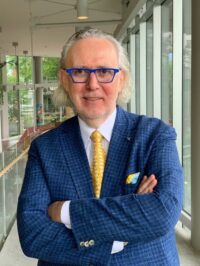
Principal Investigator
M.D. (Volgograd State Medical School), Ph.D. (Ivan Pavlov Institute of Physiology), FRCPC (University of British Columbia)
Professor, Division of Physical Medicine and Rehabilitation, Department of Medicine, University of British Columbia
Chair in Rehabilitation Research, ICORD
Director, ICORD Autonomic Research Unit
Staff physician, Spinal Cord Program, GF Strong Rehabilitation Centre
Adjunct Professor, Departments of Physical Medicine and Rehabilitation, University of Western Ontario
Chair of International Autonomic Standards Committee, ASIA/ISCOS
Research Interests
Autonomic dysfunctions; Autonomic Dysreflexia; Blood Pressure Control; Bowel Dysfunctions; Epidural stimulation; Motherhood after SCI; Pain; spinal cord injury; Transcutaneous stimulation; Vascular dysfunctionsClick here for information on the Paralympic Research Project
Click here to visit the ABC of Autonomic Dysreflexia website
Click here to visit PleasureABLE: Sexual Device Manual for Persons with Disabilities
Dr. Andrei Krassioukov is a clinician-researcher devoted to helping people with SCI maintain their cardiovascular health. His focus is on a condition commonly known as autonomic dysreflexia (AD), a condition familiar to the majority of individuals with SCI as well as their caregivers. It is characterized as ranging from unpleasant to debilitating episodes of increased arterial blood pressure that can be commonly introduced by very simple stimuli, such as a tight belt or inappropriate wheelchair positioning. Without timely recognition and management, conditions can complicate and lead to life-threatening situations.
Dr. Krassioukov is a Professor in the Department of Physical Medicine and Rehabilitation at the University of British Columbia, and a physician in the Spinal Cord Program at Vancouver Coastal Health’s GF Strong Rehabilitation Centre. He obtained his M.D. from Volgograd State Medical School, Russia, and his Ph.D. from Ivan Pavlov Institute of Physiology, Russian Academy of Science, St. Petersburg, Russia. He is President of the American Spinal Injury Association (2019-2021).
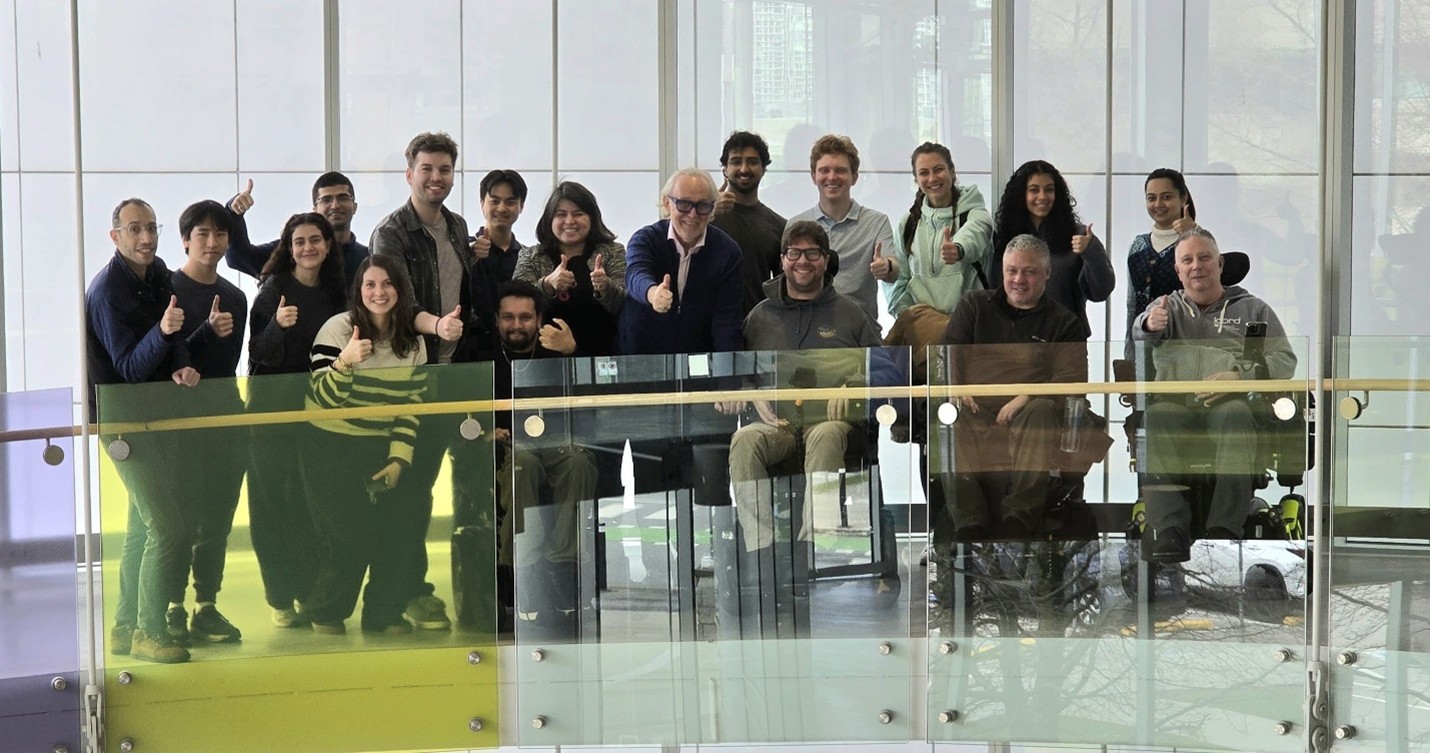
Dr. K’s lab in spring 2026 along with a handful of our current research participants
Dr. Krassioukov feels that if we can understand, through research and education, why the condition develops in people with SCI, then we can help manage the condition for the SCI community as a whole. What we learn from lab experiments helps us to bring knowledge to clinical practice; we learn how to manage this life-threatening problem and how to assist paramedics and doctors in the emergency room, people on the forefront of acute SCI management.
The ability to combine clinical work with basic science and research is the true success of ICORD. Being able to collaborate with colleagues with multidisciplinary areas of expertise is extremely important for success in SCI research, and therefore also to Dr. Krassioukov.
“Sometimes I hear that SCI is an end-of-life experience for some people,” said Dr. Krassioukov. “Yes, it is bad, but I am inspired and astounded by many of my patients, my research participants and the Paralympians I was able to interact with during the last three Paralympic Games. The International Olympic Committee invited me and my students to conduct research on autonomic dysreflexia during the games, a condition common to individuals with SCI, and one that frequently causes significant disadvantages for Paralympians during the competition.”
Currently recruiting for:
Recent Collaborations:
Dr. Krassioukov currently holds two grants with the United States Department of War (formerly the Department of Defense/DOD), one of which is in collaboration with Dr. Andrii Burachyk who is based in Ukraine. In recent years, much of Dr. Krassioukov’s research has been based around the effects of non-invasive Transcutaneous Spinal Cord Stimulation (TSCS) on autonomic function in individuals with chronic SCI. In working with a team of healthcare professionals in Ukraine, Dr. Krassioukov has been successful in delivering this–life changing therapy to recently injured Canadian patients and Ukrainian war veterans.
Dr. Krassioukov continues to be involved with educating healthcare providers, physicians, and paramedics, to diagnose, treat and prevent AD. The resulting shortened patient hospital stays represents enormous cost saving as well as significant improvements in the lives of individuals coping with AD and SCI. This work will give emergency room physicians and paramedics a set of guidelines and education for dealing with AD.
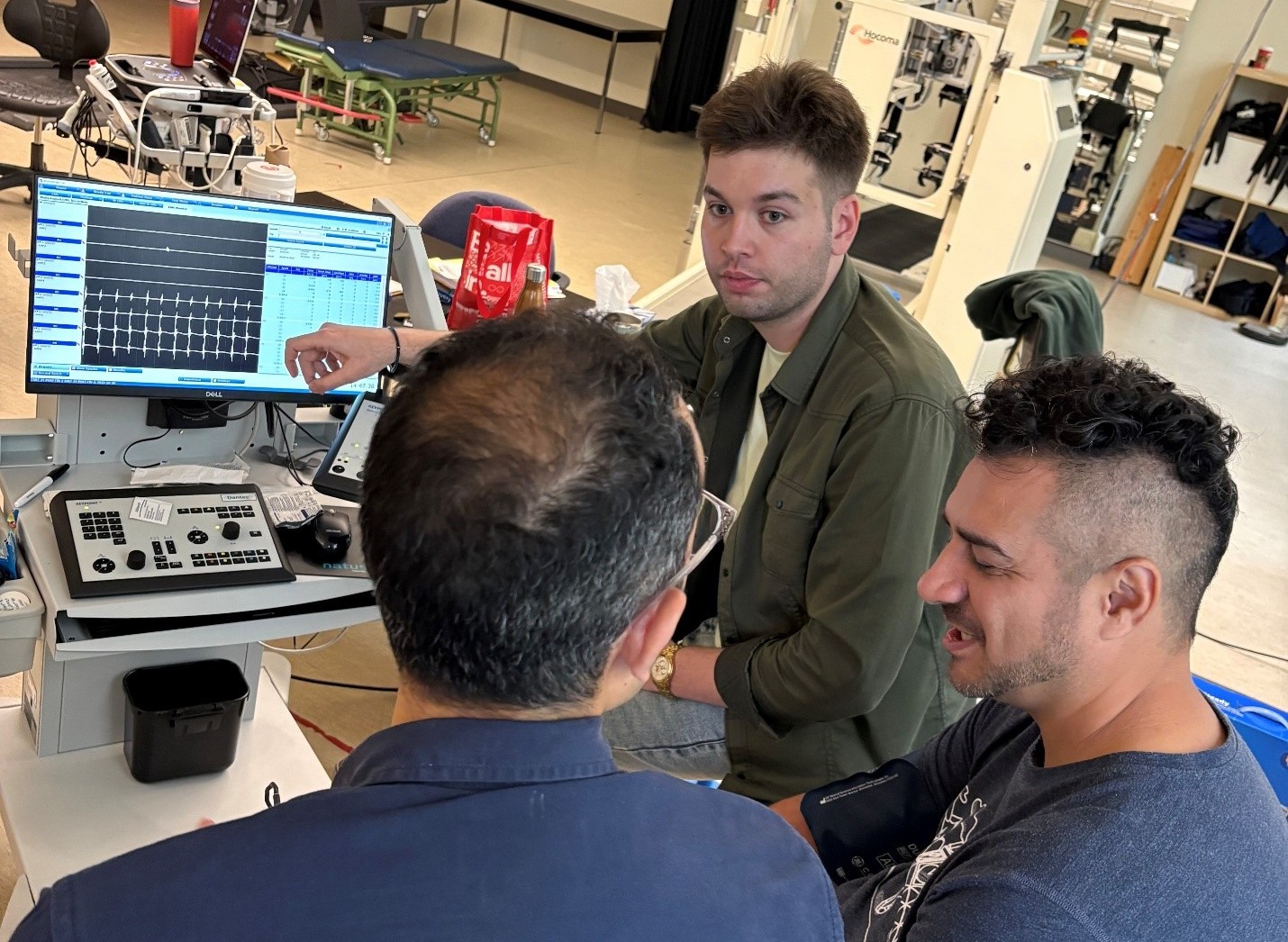
From left to right, Dr. Mohamed Sobeeh (Post-Doctoral Fellow), one of our fantastic participants and Dr. Armin Khavandegar (Post-Doctoral Fellow) working together to record voluntary muscle signals from the participant’s legs with Transcutaneous Spinal Cord Stimulation (TSCS).
Major Findings:
Dr. Krassioukov’s basic and clinical research has been focused on AD following SCI for more than 30 years. He has developed a multi-disciplinary laboratory that is now internationally known for numerous basic science and clinical innovations in the area of AD following SCI. This serious complication of SCI was unrecognized until recently; thirty years ago, reviewers of his first grant studying the effect of SCI on the cardiovascular system believed that people with SCI didn’t need to worry about cardiovascular disease, and that the only focus should be on curing paralysis. Today, autonomic dysfunction is recognized as a major avoidable cause of morbidity in people with SCI, and is even used, at great risk, by athletes with SCI to give them a competitive advantage in paralympic sports.
In recent years, Dr. Krassioukov’s research has centered around the autonomic effects (i.e. cardiovascular, bladder, bowel, sexual, etc.) of non-invasive Transcutaneous Spinal Cord Stimulation. In addition to the improvements in autonomic function discovered resulting from this therapeutic, motor recovery has been recorded as shown in the video below.
View this post on Instagram
Inspired by the 2026 FIFA Men’s World Cup, research participants put this motor recovery to use in a friendly soccer game!
Dr. Krassioukov has pioneered the development of several tools that put research knowledge directly in the hands of those who could most benefit people with SCI, including the creation of a novel education tool for first responders (i.e. paramedics, EMTs), FashionABLE: a resource for individuals with SCI as well as care providers on practical and fashionable clothing while living with SCI, funded by the Craig Nielsen Foundation with trainee support from WorkSafe BC and PleasureAble: a free resource on sexual devices and adaptations for people with SCI, funded by DHRN, a MSFHR Health of Population network. These tools and resources are practical solutions to information gaps that put patients at risk and prevent full enjoyment and quality of life for people with SCI.
As a Professor of Medicine at the University of British Columbia, Dr. Krassioukov’s teaching philosophy is to foster critical thinking, creativity, and independence so that students will acquire crucial skills which will prepare them for any job in the future. His strong commitment to mentoring the next generation of clinicians and researchers drives his work as primary supervisor of several trainees. During the last 30 years of his academic career, Dr. Krassioukov has supervised or co-supervised more than 30 graduate students and more than 20 post-doctoral fellows, and what gratifies him most as their supervisor and teacher is to see their success.
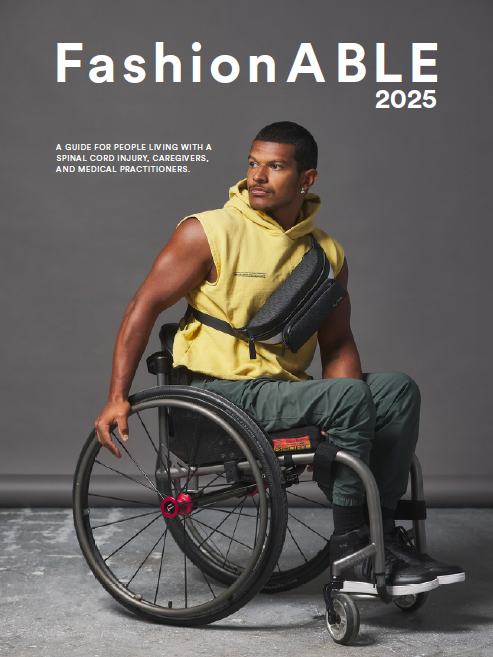 Dr. Krassioukov’s FashionABLE Magazine cover which was released in 2025 as a resource for those living with SCI and caregivers on functional and fashionable clothing.
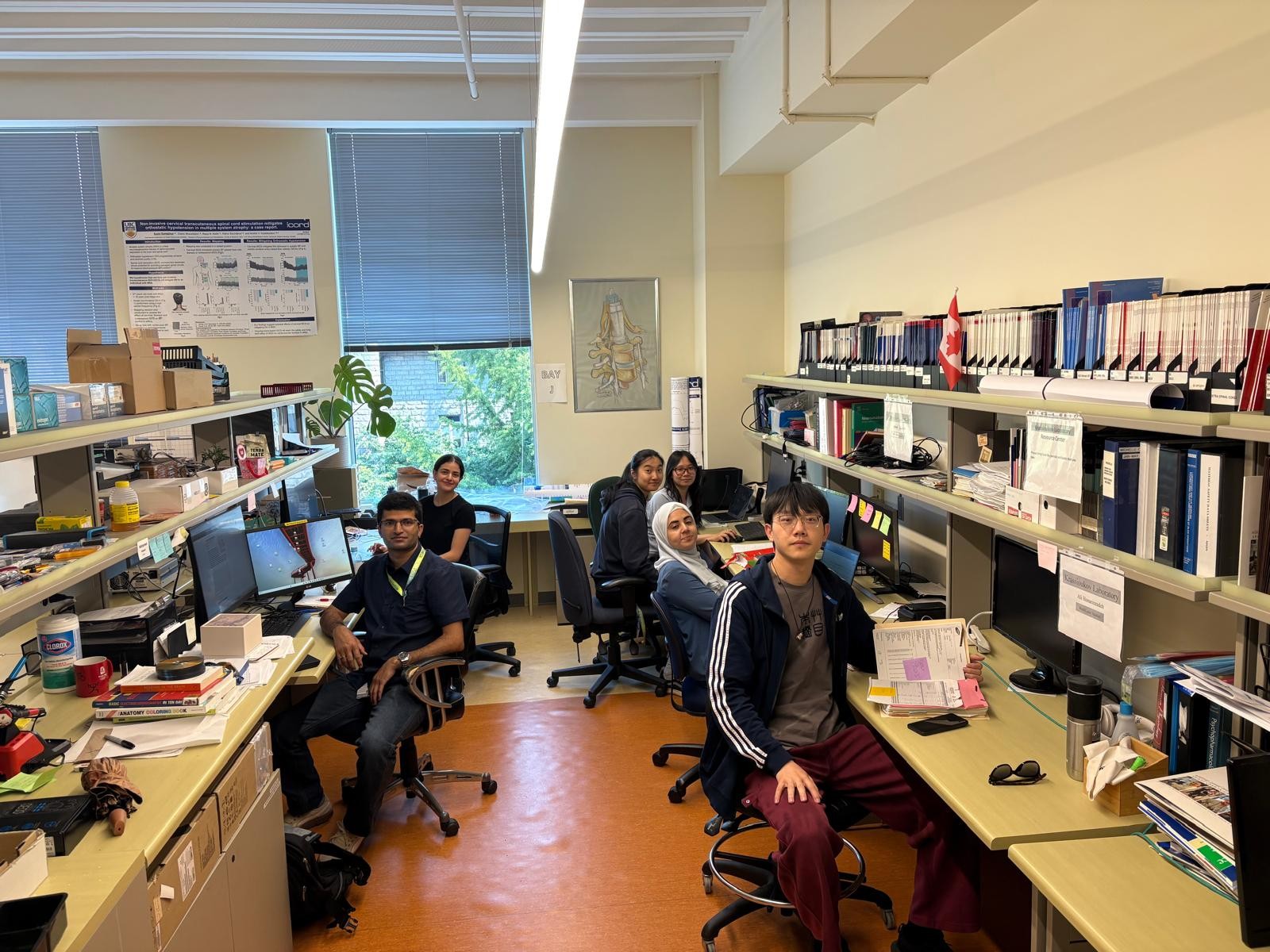 Dr. K’s busy upstairs lab space. From left to right, Hari Joshi (Masters student), Tina Saffar (Research Assistant), Rosalie Zhou (Undergraduate WorkLearn student), Laila Yakoub Agha, MD, MPH (Graduate WorkLearn student), Jesse Luyan (Undergraduate WorkLearn student) and Jiale He (PhD Student) |
Techniques employed in the labs:
Affiliation with organizations and societies:
AwardsSome of Dr. Krassioukov’s recent major awards and accomplishments include:
|
Current Lab Members
| Undergraduate Students | Masters Students | Postdoctoral Fellows | Research Staff |
|---|---|---|---|
| Daniyal Aleem | Hari Prasad Joshi | Dr. Mohamed Sobeeh | Andrea Maharaj |
| Lokavya Jain | Dr. Armin Khavandegar | Mujtaba Saloojee | |
| Tina Saffar | Dr. Erika Escamilla | ||
| Samie-Joe Eid | Graeme McIntosh | ||
| Christopher Chang |
Trainee Awards
| Year | Trainee | Award |
| 2026 | Dr. Armin Khavandegar |
|
| Tina Saffar | 2026 MRPM Application – Faculty of Medicine Multidisciplinary Research Program in Medicine (FoM MRPM) | |
| Lokavya Jain | 2026 MRPM Application – Faculty of Medicine Multidisciplinary Research Program in Medicine (FoM MRPM) | |
| 2025 | Dr. Martin Calderon Juarez | Michael Smith Health Research BC Clinical Trial Post-Doctoral Fellowship: CANTRAIN-CTTP |
| Daniyal Aleem | Translational Research Prize, 2025 ICORD ARM | |
| Thomas Thordarson | 1st Place – Staff Research Prize, 2025 ICORD ARM | |
| Dr. Erika Escamilla | Award-Eligible Poster Abstract; ASIA 2026 – Effects of Non-Invasive Spinal Cord Stimulation on Lower Urinary Tract Dysfunction in Individuals with Spinal Cord Injury: Results from The Below The Belt Trial | |
| Dr. Raza Malik | Award – Eligible Poster Abstract; ASIA 2026 – Immediate Autonomic And Vascular Effects Of Transcutaneous Spinal Cord Stimulation During Autonomic Dysreflexia Triggered By Pelvic Organ Stimuli In Motor-Complete Spinal Cord Injury | |
| 2024 | Dr. Raza Malik |
|
| Omer Faraz | Trainee Travel Award, ICORD | |
| 2024 | Dr. Tiev Miller | Clinical Trials Training Programs (CANTRAIN-CTTP) Postdoctoral Fellowship Award, CANadian Consortium of Clinical Trial TRAINing Platform (co-funded: Canadian Institutes of Health Research / Michael Smith Health Research BC) |
| 2023 – 2024 | Dr. Tiev Miller | Clinical Trials Training Programs (CANTRAIN-CTTP) Postdoctoral Fellowship Award |
| 2023-2025 | Dr. Claire Shackleton | Canadian Institutes of Health Research (CIHR) Fellowship |
| 2023 | Dr. Martín Calderón Juárez | Best Poster Presentation Award ($150), ICORD Trainee Symposium 2023 |
| Ali Hosseinzadeh |
|
|
| Lucas Rempel |
|
|
| Fiona Huang | Second place at ICORD trainee symposium poster prize, Annual Research Meeting | |
| Dr. Raza Malik |
|
|
| Dr. Soshi Samejima | Trainee Travel Award, ICORD | |
| 2022-2025 | Dr. Tiev Miller | Research Trainee Award: Post-Doctoral Fellowship |
| 2022 | Dr. Tiev Miller |
|
| Dr. Claire Shackleton |
|
|
| Tamila Kallimulina |
|
|
| Dr. Kiran Pawar | (TroHNS) award in spinal cord injury research, American Spinal Injury Association (ASIA) 2020 | |
| Karthik Gopalakrishnan |
|
|
| Dr. Tom Nightingale |
|
|
| 2019 | Dr. Rahul Sachdeva |
|
| Dr. Tom Nightingale |
|
|
| 2018 | Dr. Rahul Sachdeva |
|
| Dr. Tom Nightingale |
|
|
| 2017 | Andrea Ramirez |
|
| Arshdeep Marwaha |
|
|
| Dr. Rahul Sachdeva |
|
|
| 2016 | Dr. Aaron Phillips |
|
| Andrew Round |
|
|
| Jordan Squair |
|
|
| Dr. Rahul Sachdeva |
|
Current Opportunities In the Lab
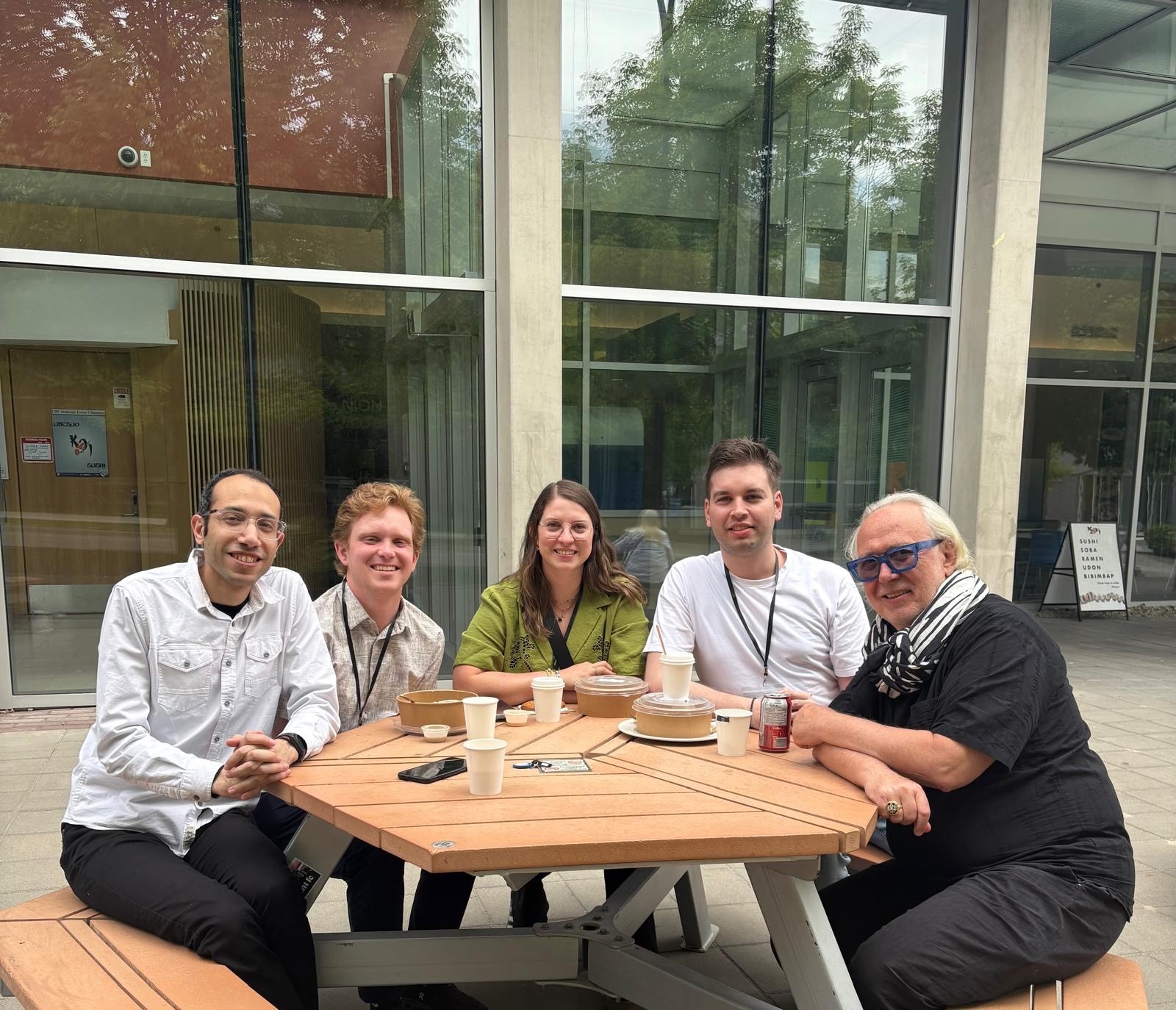
Dr. Krassioukov and his team at the Canadian Spinal Cord Injury Research Conference in Kelowna, British Columbia in May 2026 From left to right, Dr. Mohamed Sobeeh (Post-Doctoral Fellow), Graeme McIntosh (Research Coordinator), Erika Escamilla (Research Coordinator), Dr. Armin Khavandegar (Post-Doctoral Fellow) and Dr. Krassioukov
Dr. Andrei Krassioukov is looking for two postdoctoral research fellows, one with an interest in clinical or experimental research in cardiovascular and autonomic dysfunctions following SCI (see job description), and one with an interest in neuroscience, cardiovascular and vascular biology (see job description)
Videos
Dr. Andrei Krassioukov’s video about the FashionABLE project.
Motor Response with Transcutaneous Spinal Cord Stimulation:
Dr. Andrei Krassioukov speaks about the CHOICES Project.
Dr. Andrei Krassioukov and post-doctoral fellow Dr. Aaron Phillips deliver a presentation on autonomic dysreflexia and spinal cord injury.
Dr. Andrei Krassioukov gives an overview of the field of cardiovascular diseases following SCI and his research in that field.
Watch Dr. Andrei Krassioukov’s Café Scientifique talk on the cardiovascular health of Paralympic athletes.
A stimulating conversation with Dr. Andrei Krossioukov with Unite 2 Fight Paralysis. In this podcast they talk with him about spinal stimulation to seek recovery of autonomic functions for chronic spinal cord injury: bowel, bladder, seal function, blood pressure regulation.
Highlighted Publications
Neurogenic lower urinary tract dysfunction in ageing men with spinal cord injury
Outcome-Based Cardiovascular Risk Framework is Required After Spinal Cord Injury
Gaps in recovery priorities between individuals with spinal cord injury and healthcare professionals
Recent publications
- Hodgkiss, DD et al.. 2026. Differences in cognitive functioning and haemodynamic outcomes between individuals with chronic spinal cord injury and non-injured controls: Hypotensive underpinnings.. Auton Neurosci. doi: 10.1016/j.autneu.2026.103501.
- Shackleton, C et al.. 2026. Spinal Cord Injury in a Nation at War: Functional Recovery Priorities of Ukrainian Veterans and Civilians Versus North Americans.. Neurotrauma Rep. doi: 10.1177/2689288X261436705.
- Balthazaar, SJT et al.. 2026. Blood pressure variability in daily life: comparing individuals with cervical and upper-thoracic spinal cord injury to non-injured controls.. J Hum Hypertens. doi: 10.1038/s41371-026-01179-w.
- Pandey, VK et al.. 2026. Spinal cord neuromodulation for autonomic recovery following spinal cord injury: a scoping review.. J Neuroeng Rehabil. doi: 10.1186/s12984-026-02032-4.
- Malik, RN et al.. 2026. Moving from mechanisms to clinical practice: non-invasive spinal cord stimulation for recovery of autonomic functions after spinal cord injury - a protocol for a pilot randomised controlled trial.. BMJ Open. doi: 10.1136/bmjopen-2026-119795.