



Wondering what happened to our Summer issue? After twelve years, the (formerly) quarterly ICORDian Community Newsletter has moved to a biannual format, with issues published in the Spring and Fall. In between issues, we’ll be posting more news stories on the ICORD web site.
In this issue, we’ll introduce you to ICORD’s newest PIs and a visiting professor, catch up with a dedicated research participant, tell you about a research road trip, and recap a couple of great events. Plus, our regular features: help us do research, what’s new at ICORD-O, and Partner News!
We hope you enjoy these stories:
- Meet ICORD’s newest researchers!
- 100 and counting: from curiosity to commitment
- Bringing the lab to the Island: tracking long-term recovery after nerve transfer surgery
- Visiting prof bridges materials and biology
- Community Research Night recap
- UBC President visits ICORD
- Explore ICORD’s latest news from ICORD.org
- Annual Report is available
And these regular columns:
Meet ICORD’s newest researchers
This fall, ICORD welcomed Dr. Chris Moraes, Dr. Zhenwei Ma, Dr. Newton Cho, and Dr. Femke Hoekstra, who have joined our community as new Principal Investigators (PIs). Each brings a unique research perspective and deep commitment to improving outcomes for people living with SCI.
 Dr. Chris Moraes
School of Biomedical Engineering & ICORD PI
Dr. Chris Moraes grew up in India and the Middle East before moving to Toronto as a teenager, where he completed his undergraduate and graduate studies. After postdoctoral training in Ann Arbor, Michigan, he established his first research lab at McGill University in Montreal. He recently joined UBC as an associate professor in the School of Biomedical Engineering and as a Principal Investigator at ICORD.
The Moraes Lab focuses on microscale tissue engineering, developing new biomaterial design strategies, stem cell culture tools, and imaging technologies to better observe how tissues develop and change during disease. His work at ICORD will expand these fundamental biophysical and biological insights toward applications in spinal cord injury and regeneration.
Alongside his research, Dr. Moraes teaches both undergraduate and graduate courses in biomedical engineering.
“I can think of no other job that allows me to genuinely and whole-heartedly chase the wide variety of things I think are important, alongside bright and talented students and mentors,” he said.
 Dr. Zhenwei Ma
Department of Surgery & ICORD PI
Born in Anyang, China, Dr. Zhenwei Ma completed his undergraduate degree in Chengdu before moving to Montréal for graduate studies in Chemical and Mechanical Engineering at McGill University. He went on to postdoctoral training at Harvard, UBC, and MIT.
Dr. Ma recently joined UBC as an assistant professor in the Department of Pathology and became a Principal Investigator at ICORD.
The Ma Lab brings together interdisciplinary scientists, engineers, and clinicians to design and translate precision biointerfaces that help manage, understand, and prevent disease progression. His team’s work spans a range of challenging wounds and injuries—including severe burns, pressure injuries, and spinal cord injuries.
“I’m constantly inspired by the collision of diverse perspectives—when a clinician’s insight into a patient’s problem meets an engineer’s creative solution. That fusion of medicine and engineering is where the real magic happens,” he said.
 Dr. Newton Cho
VGH Spine Surgeon & ICORD PI
Dr. Newton Cho grew up in Ontario and completed most of his medical and research training in Toronto. During his spine fellowship in Calgary, he “fell in love with the West,” a pull that ultimately brought him to Vancouver.
Dr. Cho is now a spine surgeon at Vancouver General Hospital and leads a research lab at ICORD focused on understanding the neural circuits that control walking. By mapping these pathways, his team aims to develop new neuromodulatory therapies—including brain and spinal stimulation techniques—to improve walking after spinal cord injury.
“I’m excited to discover new things – whether that’s new approaches to surgical problems or advances in understanding spinal cord injury that leads to tangible differences,” he said.
 Dr. Femke Hoekstra
Medicine – Div. Social Medicine & ICORD PI
Dr. Femke Hoekstra completed her PhD at the University of Groningen, in the Netherlands, in the areas of implementation science, rehabilitation, and physical activity promotion. In January 2024, she joined UBC’s Department of Medicine as an Assistant Professor in the Division of Social Medicine, focusing on Implementation Science. Dr. Hoekstra leads a research program dedicated to improving health services and care for equity-deserving groups in rural, remote, and other isolated communities. Her work focuses on studying how health innovations, such as virtual care, can be successfully implemented in real-world settings.
“My passion is improving health care access and experiences for people with SCI living in rural and remote areas,” said Dr. Hoekstra. “The IKT Guiding Principles for conducting and disseminating SCI research in partnership guide our work to ensure that the research we do is relevant and useful for those who can benefit from it. I truly believe meaningful change happens when we work together.”
100 and counting:
from curiosity to commitment
Kyle Gieni (pictured, right) remembers the first time he was bitten by the research bug. New to Vancouver, he was working out at the outpatient Three Peaks Adapted Gym at G.F. Strong when he noticed study recruitment posters on the bulletin board. They looked fun, and offered a way to earn a little extra cash, so he decided to give them a try. Since then, Kyle has participated in more than 100 research studies at ICORD, other UBC labs, and SFU. He has also taken part in accessibility studies for the City of Vancouver and joined multiple focus groups.
“After being told I would never walk again…”
“My most memorable study experience would have to be training in the the Ekso with Dr. Tania Lam and her team,” said Kyle. “After being told by doctors I would never walk again, it was really special to be up and walking! I did a lot of training to be ready for this project, stretching my legs and using the standing frame every day so I could be physically able to use the exoskeleton.”
Staying active through research
Another study Kyle joined was Dr. Krassioukov’s CHOICES study, which involved six months of workouts using an arm cycle or assisted treadmill training. “It was time consuming, but it got me to the PARC gym! And by the time I finished my study training, I was all warmed up and ready for my regular workout.”
 Recognizing a dedicated participant
At ICORD’s recent Community Research Night, Dr. Tania Lam presented Kyle with an embroidered hoodie and a cake to recognize his contributions to ICORD research. “My team and I are so grateful to everyone who has taken the time to help us with our research studies. We appreciate the willingness you have shown in sharing your experiences with us and all our trainees,” said Dr. Lam.
“I’ve had the pleasure of working with Kyle for the past 13 years. He was the very first participant at PARC, and since then we’ve done multiple clinical trials together—exercise-based research, surveys. We’re really grateful for all his contributions!” said Alison Williams, Lab Manager for Dr. Lam.
Research changes lives
More than 100 studies later, Kyle is still excited to be an active part of the research happening at ICORD. As he showed off two pages of his list of completed studies, he said, “You get the chance to be involved in projects that might get implemented as health care interventions in the future. Back in 2014, I took part in a study on using Botox as a treatment for overactive bladder, and it turned out to be very effective for me personally. It is research, but it has also made a huge positive change in my lifestyle. If you’re thinking of being a research participant, I highly encourage you to try it!”
If you’re interested in taking part in a research study, check out our study list or contact studies@icord.org for more information.
Bringing the lab to the Island:
tracking long-term recovery after nerve transfer surgery
by Jocelyn Chan
Nerve transfer surgery is a specialized elective procedure designed to restore movement and strength in the upper limbs. For people living with spinal cord injury who have partial arm or hand weakness, this procedure involves rerouting a working nerve from above the injury to activate muscles below it, allowing patients to regain finer control and function.
Relearning movement through new neural pathways
After a nerve transfer, movements that once happened automatically must be relearned. For example, the procedure may involve connecting a nerve that bends the elbow to one that allows the hand to close. Following the surgery, a patient will need to practice flexing their elbow to close their hand because the nerve that used to control the elbow now controls the hand muscles. With rehabilitation, the brain learns to activate this new pathway, helping people regain independence in daily activities like grasping a cup or turning a doorknob. Over time, this coordinated movement, called co-activation, becomes smoother as the brain reorganizes and the new connection strengthens.
Why long-term follow-up matters
Follow-up after surgery is crucial for understanding how well the nerves and muscles recover over time, but for many people who live outside Vancouver, regular visits are difficult. “Once they’re outside of the two-year clinical window, there’s often no reason for them to come back to Vancouver,” explained Dr. Harvey Wu, lab manager in in the Berger Lab. “But the data they can provide is incredibly valuable for understanding long-term recovery.”
 A two-day mobile research trip
To bridge this gap, Dr. Wu and postdoctoral fellows Dr. Mathew Debenham (pictured above, left) and Dr. Kyle Missen (pictured, right) recently travelled to Vancouver Island for a two-day data collection trip. Using equipment normally housed at Vancouver General Hospital, the team brought their lab setup directly to participants, testing three individuals at a clinic in Victoria and two more in their homes in Qualicum Beach and Cumberland.
During each session, participants performed isolated hand and thumb movements while the researchers measured muscle activation and strength. Using custom-built sensors and portable stimulators, the team recorded how well transferred nerves were working and whether muscles were responding as expected. They also used ultrasound imaging to visualize muscle changes beneath the skin.
The trip went smoothly despite the logistical challenges of transporting sensitive equipment and coordinating multiple participants and caregivers across the Island. “It was the first time we tried something like this,” said Dr. Wu. “We learned a lot about how to make it more efficient, and we’ll definitely do it again.”
 Early findings show promising long-term recovery
Although data analysis is still ongoing, the team has already observed encouraging trends in functional recovery, with many participants demonstrating sustained strength and dexterity more than two years after their surgeries. These findings highlight the importance of long-term follow-up to understand how nerve pathways continue to change and adapt over time.
What’s next: expanding the research
The team plans to follow up with additional participants on the Island and expand the study to include MRI imaging, which will help reveal how the brain reorganizes after nerve transfer surgery. “Our goal is to better understand why some patients regain strong function while others experience more limited improvement, helping to inform future care for people living with spinal cord injury,” said Dr. Wu.
Visiting professor bridges materials and biology
by Jocelyn Chan
 Dr. Laura De Laporte (pictured, right) has travelled a long way to be a visiting professor at ICORD, but for her, it’s a full circle moment.
Dr. Laura De Laporte is spending six months at ICORD, collaborating with Dr. Tetzlaff’s lab to advance her research on innovative biomaterials for spinal cord repair. Based in Germany, she leads the Macromolecular Materials for Medicine Lab at the DWI – Leibniz Institute for Interactive Materials, affiliated with RWTH Aachen University, where her team designs bioinspired materials that can guide tissue regeneration.
Originally from Belgium, Dr. De Laporte began her research career with a PhD in Biomedical and Chemical Engineering at Northwestern University in the United States, focusing on developing guided implants for nerve regeneration.
“I was making polymer scaffolds with channels to guide regenerating nerves across injury sites,” she recalled. Early on, she realized that while these implants were promising, they weren’t always practical. “To implant them, you had to cut out a piece of the spinal cord and I knew that wasn’t going to be directly clinically relevant. So, I started thinking: what if you could just inject something instead?”
Hydrogels, structure, and a new idea
During a postdoctoral fellowship in Dr. Jeffrey Hubbell’s lab in Switzerland, she began working with hydrogels. Hydrogels are gel-like materials that can be injected into the body to support healing. However, she soon recognized a key limitation: while easy to deliver via injection, hydrogels typically lack internal structure, making them less effective at directing regenerating nerves.
“I wanted to combine the best of both worlds,” she explained. “A material that’s injectable like a hydrogel, but with an internal structure like a scaffold.”
With this idea in mind, Dr. De Laporte started her own research group and developed a patented anisotropic hydrogel, a smart material that can be injected as a liquid and then organize into an aligned structure inside the body using an external low magnetic field.
The Anisogel consists of two key components. The first is a collection of tiny rod-shaped microgels, each about 50 microns long and embedded with magnetic nanoparticles. These are small enough to be injected into tissue. When a magnet is held above the injection site, the microgels rotate and align themselves in a single direction. Then, a second component—a cross-linking hydrogel matrix—forms around the aligned microgels to hold them in place.
“The larger gel contains peptides to encourage cell attachment and is designed to degrade over time,” she said. “The idea is that as cells grow in, they follow the aligned microgels like train tracks.”
Connecting with ICORD and Mend the Gap
Early tests have shown promising nerve ingrowth and strong biocompatibility, but the hydrogel is still a work in progress. This work caught the attention of Dr. Tetzlaff about six years ago, after she published her first papers on the anisotropic hydrogel system. He invited her to join the international Mend the Gap research team, which brings together experts to develop combinatorial therapies for spinal cord injury.
“It was a full circle moment,” she said. “I actually met Wolf years earlier at a spinal cord regeneration course during my PhD. He was one of the instructors!”
During her stay at ICORD, Dr. De Laporte is working closely with the Tetzlaff Lab to evaluate how the material behaves in living systems and how it interacts with regenerating tissue.
“This collaboration has been incredibly valuable,” she said. “Wolf and his team are experts in the biological aspects of testing various biomaterials, which gives us a deeper understanding of how the material is performing. It’s exciting to bridge our material science background with their biological expertise.”
A team effort—on two continents
Back in Germany, Dr. De Laporte leads a large team of over 20 PhD students, three of whom are also spending time in Vancouver as part of this collaboration. “It’s important to have continuity between the people working on these projects,” she said. “That way, knowledge gets passed along, and we can keep building.”
Outside the lab, she’s had time to explore the West Coast with her husband and children, taking road trips through the Rockies and visiting Vancouver Island. “We all really love it here,” she shared. “It’ll be hard to go back to Germany in January.”
Although Dr. De Laporte returns to Germany in the new year, she leaves with strengthened collaborations and new momentum. “It’s my life dream to find a solution for spinal cord repair,” she said. “It’s truly an honour to be here. I’m a big believer that it will take combinatorial therapies—biomaterials, surgery, rehab, cell biology—and that’s what I love about large consortia like Mend the Gap. You need the expertise of many disciplines working together to make it happen.”

Dr. De Laporte (standing) with a student, in her lab in Germany. ©WSS / Hannes Woidich Fotografie Dortmund
Community Research Night:
connecting science and lived experience
On November 3, ICORD and Spinal Cord Injury BC welcomed more than 120 community members, research participants, researchers, and partners for an evening dedicated to sharing discoveries and strengthening connections between scientists and people living with SCI. This was ICORD’s first community research event since 2018.
For many visitors, the event offered a rare behind-the-scenes look at ICORD’s research and an opportunity to meet the teams working to improve treatments and outcomes. Interactive displays by ICORD trainees and investigators highlighted work in rehabilitation, mobility technology, injury prevention, biomaterials, and more. Attendees explored hands-on demonstrations, learned about current projects, and spoke directly with researchers about ongoing studies.
The night also provided an important space for researchers to hear directly from people with lived experience. Participants shared insights about daily challenges, rehabilitation priorities, and what meaningful engagement in SCI research looks like—feedback that can help shape future studies.
Feedback from guests and researchers was overwhelmingly positive. Many described the event as inspiring and energizing—and are already looking forward to future Community Research Nights.

UBC President visits ICORD
It was an honour to host UBC President Benoit-Antoine Bacon, Canadian icon Rick Hansen, philanthropists Marilyn and Stuart Blusson, past Dean of Medicine Dermot Kelleher, UBC VP Academic & Provost Gage Averill, and UBC Orthopaedics Head Kishore Mulpuri on June 11. The visit included talks by ICORD Director Dr. Brian Kwon, UBC Professor Dr. Fabio Rossi, Rick Hansen, and President Bacon, followed by a tour of spinal cord injury research facilities at the Blusson Spinal Cord Centre.
Read more!
A feature article about this visit will appear in the coming Fall 2025 issue of UBC Magazine.

Dr. Bacon (left) and Dr. Averill (right) meet with Linda Hunt, Sydney Cormack, and Dr. Andrea Bundon at the Yuel Family Physical Activity Research Centre (PARC)
Explore ICORD’s latest new stories
Check out these recent news articles from the ICORD website for insight into our evolving work and community impact:
Dr. Heather Gainforth named Canada Research Chair
Heather Gainforth’s research is firmly grounded in the communities she serves. This CRC award signals a strengthened focus on meaningful, impact-driven science. Read more

Dr. Heather Gainforth
seed2STEM honoured with City of Vancouver Leadership in Reconciliation Award
ICORD’s Indigenous high school summer program received recognition for creating culturally safe pathways into research and reconciliation in STEM. Read more

Back row (L-R): Cheryl Niamath, Dean Harris, Brian Kwon, Ken Sim, Mackenzie Su, Corree Laule; Front row (L-R): Shana George, Carla George
Postdocs receive Health Research BC Trainee Awards
Dr. Daniele Ferrari (Granville Lab) and Dr. Alanna Shwed (Gainforth Lab) have both been awarded prestigious trainee awards, highlighting outstanding early-career contributions. Read more
PhD student investigates sex differences in soft tissue behaviour
Dr. Fatemeh Khorami’s work explores how soft tissues respond differently across sexes—a fundamental study with implications for injury risk and rehabilitation.
Read more
Brain Canada invests in ICORD’s SCI Biobank
Thanks to a Platform Support Grant from Brain Canada, ICORD’s International SCI Biobank is expanding to accelerate discovery and promote open science.
Read more

Biobank Manager Adam Velenosi (L) and Dr. Brian Kwon (R)

ICORD’s Annual Report for 2024-25 is available
Download a PDF here.

Dr. Femke Hoekstra is now a Principal Investigator!
 Dr. Heather Gainforth was named UBC Okanagan’s newest Canada Research Chair!
Two PhD trainees defended and graduated at the end of the summer – huge congratulations to Dr. Alanna Shwed (shown below centre, surrounded by her lab-mates and thesis committee members) and Dr. Emily Giroux (shown right, with Dr. Gainforth)!
ICORD’s Meaningful Engagement Committee launched its strategic plan, which outlines the committee’s priorities and approach over the next year, providing a roadmap to advance engagement practices that are collaborative, principled, and impactful.

Help us do research
Interested in helping ICORD researchers make SCI preventable, livable, and curable? These research studies (and more) are in need of participants!
 PleasureABLE 2.0: Participating in Sexual Activities after Spinal Cord Injury
Dr. William Miller and his team are inviting individuals with SCI and their partners to review the updated PleasureABLE 2.0 sexual-health manual in virtual focus groups to improve its clarity, inclusivity, and usefulness. Learn more

Usability of a novel alternative to the universal cuff: The OmniCuff
Dr. Ben Mortenson and his team are testing how people with SCI and limited hand function use the OmniCuff device over a two-week home trial to evaluate its practicality and impact on daily activities. Learn more
 Measuring sedentary behaviour and pain among people with SCI
Drs. Christopher West and Kathleen Martin Ginis and their teams are examining how daily sedentary time relates to pain in people with SCI using activity tracking, lab visits, and questionnaires. Learn more
 Low oxygen therapy as a cardiac treatment for improving 24-hour blood pressure stability
Dr. Andrei Krassioukov and Dr. West and their teams are studying whether brief sessions of low-oxygen breathing can improve cardiovascular regulation and 24-hour blood pressure stability in people with cervical SCI.
Learn more
 Non-invasive spinal cord stimulation for recovery of autonomic function after spinal cord injury
Dr. Krassioukov and his team are evaluating whether non-invasive spinal cord stimulation can safely improve cardiovascular, bladder, bowel, and sexual function in people with SCI. Learn more
TSCS Home Study
Dr. Krassioukov and his team are testing the feasibility and safety of using a portable home-based spinal cord stimulation device (“SCONE”) to manage autonomic dysfunctions such as orthostatic hypotension and bowel issues. Learn more
 Access to Fly
Dr. William Miller and his team are gathering perspectives from people with SCI to co-design training tools that help airline and airport staff make air travel more accessible. Learn more
 Youth with SCI and physical activity
Dr. Andrea Bundon and her team are interviewing youth with SCI and their parents to better understand barriers and enablers of physical activity, informing more inclusive programming and policy. Learn more
 MRI to measure brain & spinal cord changes after SCI
Dr. John Kramer and his team are using MRI thermometry to non-invasively measure spinal cord temperature as a potential marker of ongoing inflammation after SCI. Learn more
Understanding experiences with deployable ramps and platform to vehicle gaps
Dr. Jaimie Borisoff and his team are conducting interviews to understand how people with mobility challenges navigate deployable ramps and platform gaps in public transit, helping inform future accessibility guidelines. Learn more
Click here to browse all the ICORD studies currently recruiting participants.
Interested in participating in ICORD research but feeling overwhelmed by the number of studies?
Our Study Liaison is here to help!
Interested in participating in ICORD research but feeling overwhelmed by the number of studies? Meet our study liaison, 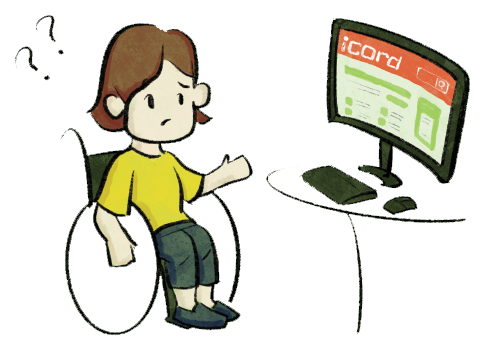 Ali Williams! Ali is the manager of Dr. Tania Lam’s Human Locomotion Lab. She will work with you to narrow down what studies you may be eligible for. Over a few short phone calls, she will ask you questions about your research interests as well as common study inclusion and exclusion criteria. From there she will tailor a list of research studies for you and provide details and contact information for each one. She can also directly connect you with study coordinators if you like. Send her an email to begin your consultation!
Partner news
 APN2026: Inclusive by Design
Don’t miss Canada’s premier conference on accessibility in the built environment. The annual Rick Hansen Foundation Accessibility Professional Network (APN) conference, APN2026: Inclusive by Design, will take place on March 30 – 31, 2026 at the Metro Toronto Convention Centre and virtually.
APN2026: Inclusive By Design brings together architects, engineers, designers, planners, policymakers, accessibility consultants, and corporate leaders from across Canada and around the world to collaborate on creating spaces that welcome everyone.
Featuring a dynamic lineup of Canadian and international speakers, this two-day hybrid conference offers rich opportunities to learn, connect, and be inspired by those shaping the future of accessible design.
Learn more and register today!
 Online holiday auction
Holiday cheer is almost here! SCI BC is excited to bring back their beloved Online Holiday Auction for another year. From now until Dec 1, you have the chance to bid on a variety of amazing items, just in time for the holiday season. By participating in the online auction fundraiser, you can share in the joy of giving by purchasing a gift for yourself or someone you love, and give back to your community at the same time!

 Fall 2025 Updates
Are you a clinician working with people with SCI? Take a few minutes to complete SCIRE’s short survey on which outcome measures you really use in practice.
Looking to expand your knowledge in a hurry? Check out SCIRE’s Video Shorts on YouTube for quick, evidence-based insights into exercise, falls prevention, and sexual health.
For health professionals seeking more in-depth training, SCIRE also offers online courses on bladder, skin, cardiovascular health, and blood pressure management. Plus, the updated Walking Chapter is now live, with updates to the Sexual Health and Aging chapters coming soon!
For more updates, follow SCIRE Community on Facebook, X, and LinkedIn, and SCIRE Professional on X and LinkedIn.
 Impact stories
The VCHRI Research Impact Series celebrates the transformative power of health research. This video series highlights the innovative work of our researchers and their unwavering commitment to improving care, advancing innovation and shaping the future of health. The video series includes ICORDian researchers, including Dr. Kwon and Dr. Krassioukov.
 Thanks for reading this issue of The ICORDian – we hope you enjoyed it! Please subscribe and have future issues delivered to your inbox. If you have any comments about this issue or suggestions for future ones, please contact us.
|
Jocelyn Chan, Harvey Wu, Kyle Gieni, Laura De Laporte, Femke Hoekstra, Newton Cho, Zhenwei Ma, Chris Moraes, Christina Skinner, Katie Ashwell, and Cheryl Niamath for their contributions to this issue of our newsletter.
|